Introduction: The Entrepreneurial Landscape of the United Kingdom
The United Kingdom remains one of the most prestigious and accessible global hubs for entrepreneurship. For expatriates, the UK offers a stable legal framework, a highly skilled workforce, and a strategic geographic location that serves as a bridge between the European and North American markets. However, establishing a commercial entity as a non-national requires a meticulous understanding of immigration laws, corporate structures, and fiscal responsibilities. This guide provides a comprehensive roadmap for expats looking to navigate the complexities of the British business environment.
Navigating the Visa and Immigration Framework
The primary hurdle for any expat entrepreneur is securing the legal right to work and operate a business in the UK. Since the cessation of the Tier 1 (Entrepreneur) visa, the Home Office has introduced more targeted routes.
The Innovator Founder Visa
This is the most prominent route for those with a unique business idea. Unlike previous iterations, this visa does not require a specific minimum investment fund, but the business idea must be ‘innovative, viable, and scalable.’ Crucially, the business must be endorsed by an approved body. This visa leads to permanent residency (Indefinite Leave to Remain) after three years, making it highly attractive for long-term investors.
Self-Sponsorship via Skilled Worker Visa
While technically an employment visa, some expats utilize the ‘Skilled Worker’ route to sponsor themselves through their own UK-registered entity. This requires the company to obtain a Sponsor License. It is a complex legal route that often necessitates professional legal counsel to ensure compliance with Home Office genuineness tests.
The Graduate Visa
For international students who have completed a degree in the UK, the Graduate Visa provides a two-year window (three years for PhD students) to work or start a business without the immediate need for a sponsor or a high capital investment.

Choosing the Right Legal Structure
Deciding how to structure your business is a fundamental step that affects your liability, tax obligations, and administrative workload.
1. Private Limited Company (Ltd)
This is the most common structure for expats. A limited company is a distinct legal entity from its owners. This means your personal assets are protected if the business incurs debt. It requires registration with Companies House and is subject to Corporation Tax. For many, the ‘Limited’ status provides a level of professional credibility required to win contracts in the UK.
2. Sole Trader
If you are a freelancer or a solo consultant, operating as a sole trader is the simplest method. You are the business. While administrative requirements are lower, you are personally liable for all business debts. It is important to note that many visa types restrict the ability to work as a self-employed sole trader; usually, a Limited Company is the safer bet for visa compliance.
3. Limited Liability Partnership (LLP)
Common in professional services like law or accounting, an LLP allows partners to limit their personal liability while maintaining the internal flexibility of a partnership.
The Registration Process: Steps to Formalization
Once the structure is chosen, the process of formalization begins. Most expats opt for a Limited Company due to the separation of liability.
Companies House Registration
To register (incorporate) your company, you must provide a company name, an address (which must be in the UK), at least one director, and details of shares/shareholders. You will also need a Memorandum and Articles of Association, which dictate how the company is governed.
Registered Office Address
Even if you do not have a physical office, you must have a registered UK address for official correspondence. Many expats use ‘virtual office’ services in London or Manchester to fulfill this requirement while working remotely or from a co-working space.
Fiscal Obligations and Taxation
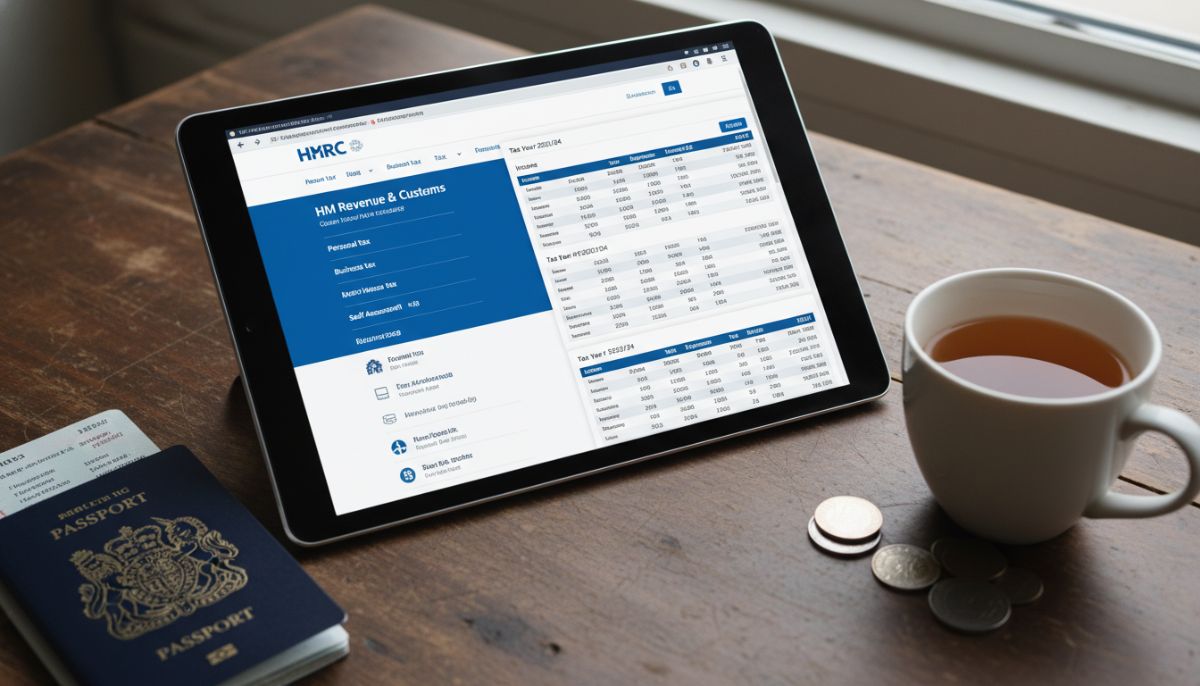
Understanding the UK tax system is critical to avoiding heavy penalties from HM Revenue & Customs (HMRC).
Corporation Tax
All limited companies must pay Corporation Tax on their profits. You must register for Corporation Tax within three months of starting to do business. The current rate varies based on profit levels, generally ranging from 19% to 25%.
Value Added Tax (VAT)
You must register for VAT if your taxable turnover exceeds the current threshold of £90,000. However, many businesses choose to register voluntarily even if they are below the threshold to reclaim VAT on business expenses and to appear larger to potential clients.
Banking Challenges for Non-Residents
Perhaps the most significant hurdle for expats is opening a business bank account. UK high-street banks have stringent ‘Know Your Customer’ (KYC) and Anti-Money Laundering (AML) protocols. If the directors are not UK residents, traditional banks may be hesitant.
Many entrepreneurs now turn to ‘Challenger Banks’ or digital-first platforms like Revolut Business, Monzo, or Tide. These platforms offer faster onboarding for non-residents, provided the business is registered with Companies House and has a legitimate UK nexus.
Employment Law and Hiring
If your business grows to the point of hiring staff, you must adhere to UK employment laws. This includes:
- PAYE (Pay As You Earn): You must register as an employer with HMRC to deduct income tax and National Insurance from employee wages.
- Pension Auto-Enrolment: Employers must provide a workplace pension scheme for qualifying staff.
- Employment Contracts: Written statements of employment particulars are a legal requirement from day one.
Intellectual Property and Insurance
Protecting your brand is essential. You should register your trademarks with the Intellectual Property Office (IPO). Furthermore, depending on your industry, you may be legally required to hold certain types of insurance. Employers’ Liability insurance is mandatory if you have staff, while Professional Indemnity and Public Liability insurance are highly recommended to protect against litigation.
Conclusion: A Strategic Approach to Success
Starting a business in the UK as an expat is a rewarding yet demanding endeavor. Success hinges on more than just a good idea; it requires a disciplined approach to legal compliance, a proactive strategy for banking and taxation, and an understanding of the local market culture. By carefully navigating the visa requirements and choosing the correct corporate structure, international entrepreneurs can leverage the UK’s robust economy to build sustainable and scalable global enterprises.